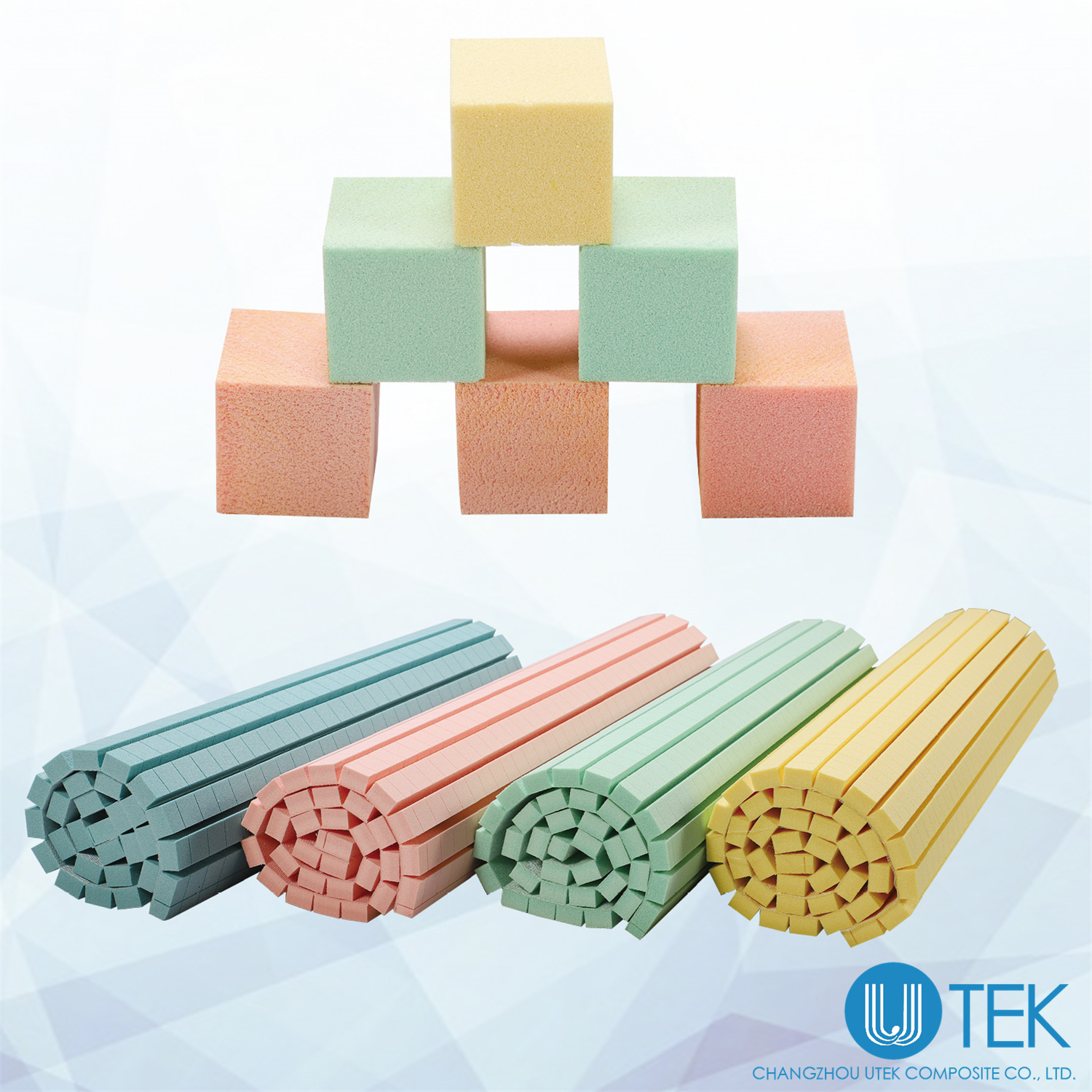






Polyvinyl Chloride foam(PVC) represents a significant advancement in engineered core materials for composite structures. As a closed-cell thermoplastic polymer, PVC foam cores deliver exceptional strength-to-weight ratios that outperform traditional materials. The cellular microstructure (typically >95% closed-cell content) provides unique mechanical advantages:
| Property | Performance Range | Industry Benefit |
|---|---|---|
| Density | 45-300 kg/m³ | Weight reduction up to 40% vs. solid materials |
| Compressive Strength | 3-25 MPa | Structural integrity under load |
| Thermal Stability | -50°C to +80°C | Performance in extreme environments |
Industrial Applications Driving Innovation
Wind Energy Solutions
Modern turbine blades increasingly rely on PVC foam core like P60-grade material for fatigue resistance. The dampening characteristics reduce vibrational stress, extending blade lifespan by up to 30% compared to balsa wood cores.
Marine Engineering
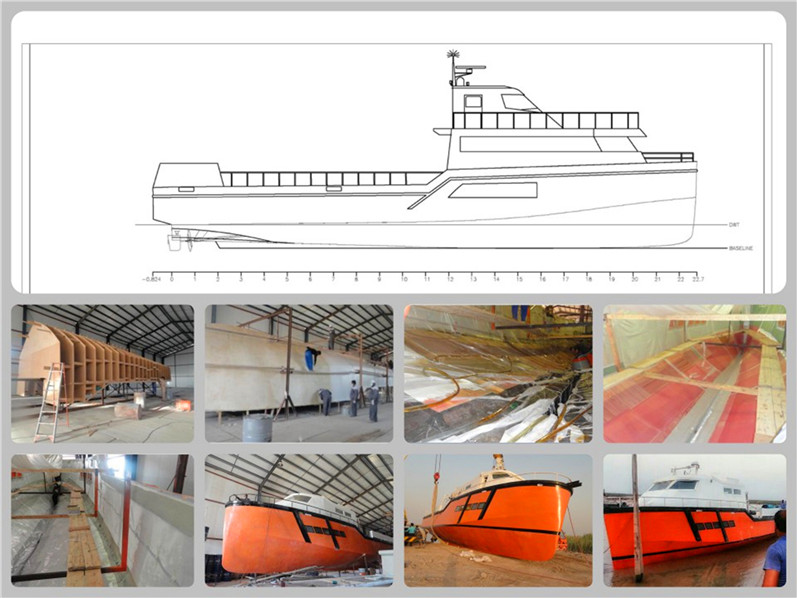
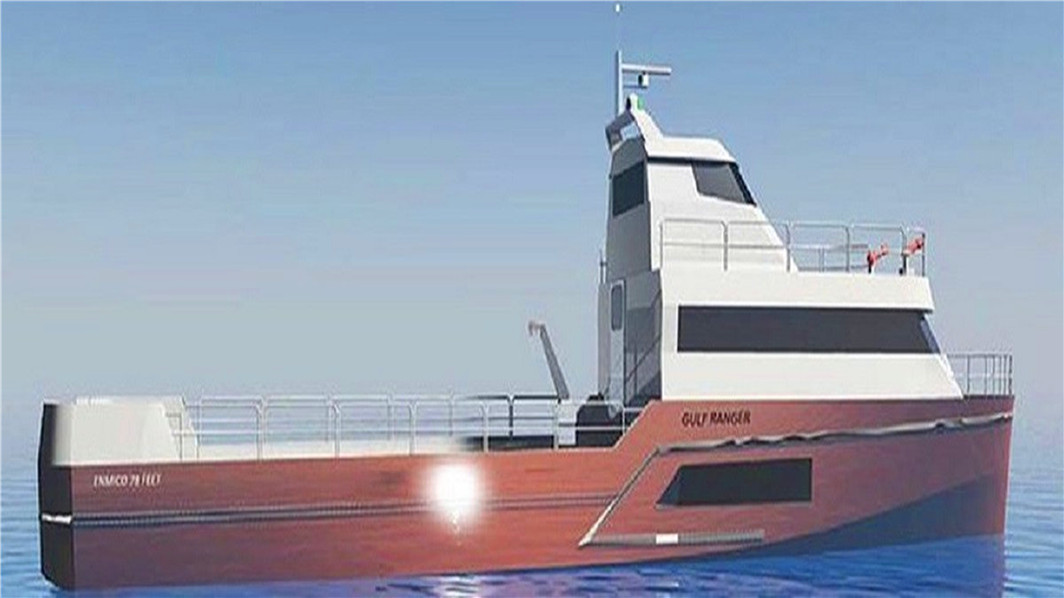
DNV GL-certified PVC foam provide critical saltwater corrosion resistance in shipbuilding. The closed-cell structure ensures near-zero water absorption (<0.5kg/m² after 24h immersion) - a key advantage over open-cell alternatives.
Aerospace Advancements
High-density PVC foam cores (P200+) meet stringent FAA/EASA requirements for aircraft interiors. Fire-retardant formulations achieve FAR 25.853 compliance with smoke density<100 and heat release <65 kW/m².
Material Selection Guide: Matching Density to Application
Choosing the optimal PVC foam density requires careful consideration:
P45-P60: Insulation panels, lightweight structures
P80-P100: Marine hulls, recreational equipment
P130-P200: Aerospace interiors, automotive panels
P250+: Structural components, high-load environments
For detailed technical specifications across the density spectrum, consult our comprehensive PVC foam datasheets.
Surface Engineering Techniques
Advanced surface treatments enhance PVC foam performance:
Scrim Reinforcement
Glass fiber scrim bonding increases peel strength by 40%
Grooved Patterns
Optimizes resin flow during vacuum infusion processes
These techniques demonstrate why specialized PVC foam manufacturer deliver superior results versus generic alternatives.
Sustainability Metrics
Modern PVC foam cores offer environmental advantages:
100% recyclable at end-of-life
30% reduced production energy vs. PET foams
Longer service life reduces replacement frequency
"PVC foam cores enable 18-22% weight reduction in marine applications, translating to 7-9% fuel savings annually." - Marine Composites Journal
Partnering with Technical Experts
While standard PVC foam boards serve many applications, performance-critical industries require technical partnership. Leading PVC foam specialists provide:
Custom density formulations
Application-specific surface treatments
CNC cutting with ±0.2mm precision
Process validation for autoclave/vacuum infusion
For industrial applications demanding certified performance, material selection should be guided by technical specialists with domain expertise.